- 4176 + containers delivered
- Serving Buena Vista County
Lakeside access
Lakeside driveways need a placement plan
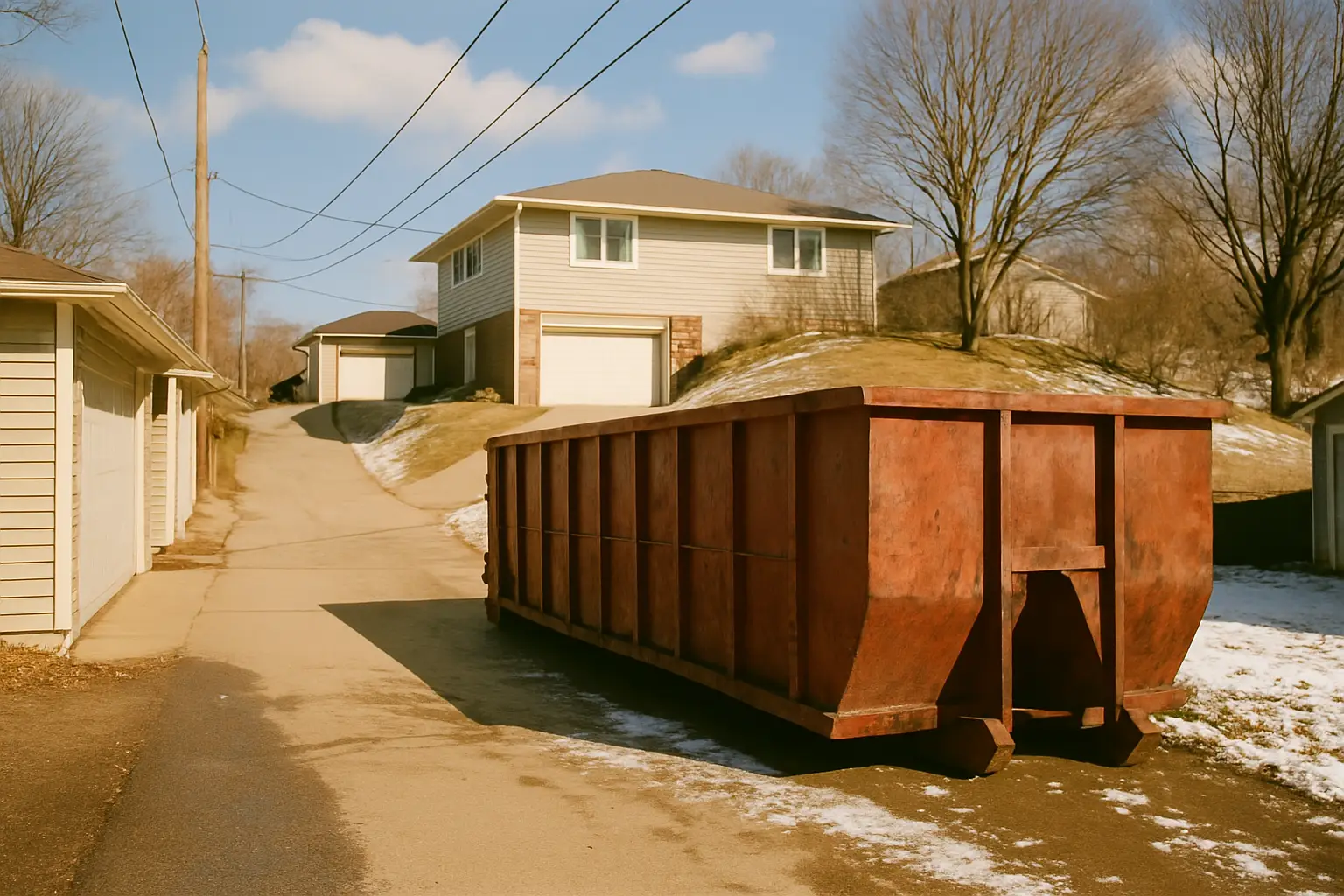
Lake-area homes can have tighter approaches than a newer rural build, with landscaping, parked vehicles, sheds, and neighboring driveways narrowing the usable path. A dumpster that technically fits may still be a poor choice if the truck cannot line up without crossing soft ground or scraping a low branch. For Dumpster Rental Lakeside, IA, Harvey Dumpster Rental reviews the intended placement before dispatch and accounts for turning room, overhead clearance, and the surface beneath the container. Gravel, asphalt, and concrete each call for a different approach, especially after wet weather around the lake.
Seasonal weather can change the ground under a Lakeside driveway quickly. Spring moisture may soften shoulders, while summer storms can leave runoff channels near the edge of a lot. Winter freeze and thaw can also expose cracked pavement or unstable gravel. We look at where the container will sit, not only where it can be seen from the street. If a public road or shared access area is the only workable location, tell us early so any permission or placement issue can be discussed before delivery.
Much of the local work involves homes, garages, lake-area cleanouts, remodeling, roofing, and storm-related yard debris rather than a single uniform commercial use. That changes the size decision. A light household cleanout may need room more than weight capacity, while shingles, concrete, soil, or dense renovation material can fill a smaller container quickly. Harvey Dumpster Rental dispatches from Storm Lake and uses the project description, material list, and access conditions to recommend a practical container for the Lakeside address.
Common projects
Lakeside projects need different dumpster choices
These are the jobs we most often plan around Lakeside homes and access patterns. Describe the material honestly, because weight and placement can matter more than the visible pile.
Home Cleanout Dumpsters
For Lakeside homes, a 10-yard or 15-yard container can handle room-by-room clearing when furniture, boxes, and household debris are loaded evenly. Keep the drive open for delivery and pickup.
Household clearingGarage, Basement and Attic Projects
Older Lakeside storage areas often hide dense mixed debris behind a smaller visible pile. We help match container space to shelving, flooring, stored items, and the clearance available beside the home.
Storage area workMoving and Estate Cleanouts
Moving and estate work in Lakeside can combine furniture, appliances, paper goods, and household contents. Sort anything being kept first, then plan a placement that does not block the property access route.
Move-out debrisYard Waste and Storm Cleanup
After a Lakeside storm, branches and damaged outdoor materials take more room than expected. Keep soil, heavy stumps, and other dense material separate in your description so the container fits the load.
Storm debrisRoofing Dumpster Rental
Roofing work near Lakeside homes calls for attention to driveway protection, shingle weight, and safe loading height. Place the container close enough for roof work without obstructing neighbors or emergency access.
Roofing materialsRemodeling and Construction Debris
Kitchen, bath, and flooring projects around Lakeside may produce cabinets, drywall, lumber, and tile together. A larger container can reduce overflow, but dense tile or masonry may change the recommendation.
Renovation debris
Material and size
Lakeside homes can hide more weight than volume
Older lake-area houses and garages often contain several generations of repair materials. Plaster, hardwood flooring, cabinets, masonry, and layers of roofing can weigh far more than a clean pile of cardboard or light furnishings. A room may look small while producing a surprisingly dense load once walls, flooring, or built-ins come out. In Lakeside, the container choice should begin with what the material is, not only how many rooms are involved. Tell us whether the work includes concrete, brick, soil, shingles, tile, or plaster. Those materials affect the practical size decision and how evenly the load must be distributed.
Newer remodels can create a different problem: bulky but lighter debris from packaging, drywall, lumber, insulation, and removed fixtures. Tight neighborhood access may make a 30-yard container more difficult to place even when the project could fill it. Sometimes a smaller container with careful loading is the sounder choice, especially beside a narrow drive or landscaped lake property. We would rather recommend a container that fits the approach and the material than sell extra space that the truck cannot safely reach. Protect the placement area, keep the load below the fill line, and describe unusual debris before scheduling.
Before delivery
Prepare the Lakeside property for placement
- Clear Lakeside driveway vehicles, trailers, branches, and stored items from the planned dumpster approach.
- Tell us whether the Lakeside surface is asphalt, concrete, gravel, grass, or a shared access lane.
- Measure overhead branches and utility clearance along the Lakeside delivery path before scheduling the container.
- Separate heavy Lakeside renovation materials from household debris when describing the project and expected load.
- Keep the Lakeside container location accessible for pickup, including during wet weather or changing lake traffic.
Common questions
Answers for dumpster rental in Lakeside
What dumpster size is best for a Lakeside home cleanout?
A 10-yard or 15-yard dumpster usually suits a smaller Lakeside room, garage, or household cleanout, while a 20-yard container gives more room for several rooms or bulky furniture. Dense materials can change that recommendation because weight matters as much as volume. Clear the drive, identify the heaviest items, and describe the property access before delivery.
Can a dumpster fit on a tight Lakeside driveway?
Often, yes, if the truck has enough approach space, overhead clearance, and a stable surface for placement. Lakeside properties may have narrow drives, landscaping, parked vehicles, or shared access that limits the usable position. Remove obstructions, measure the route, and tell us if the container must sit near a roadway or lake-side shoulder.
How does Lakeside weather affect dumpster placement?
Wet springs, summer storms, and freeze-thaw conditions can soften gravel shoulders or expose weak pavement near a Lakeside property. We need to know whether the planned location drains well and whether the truck can reach it safely after weather changes. Keep the access route open and identify soft ground, slopes, or runoff before scheduling.
Can I put roofing or concrete in a Lakeside dumpster?
Roofing, concrete, brick, soil, tile, and similar materials may be accepted only with suitable container planning because they become heavy quickly. A container that fits the visible pile may not be appropriate for dense debris. Tell us the material and approximate project scope, then keep heavy loads distributed and below the fill line.
When can Harvey Dumpster Rental deliver in Lakeside?
Harvey Dumpster Rental schedules Lakeside deliveries 24/7, Monday to Sunday, around the project and the confirmed placement conditions. Availability does not remove the need to check access, weather exposure, and any location permission that may apply. Have the Lakeside address, preferred placement area, project material, and access restrictions ready when you call.
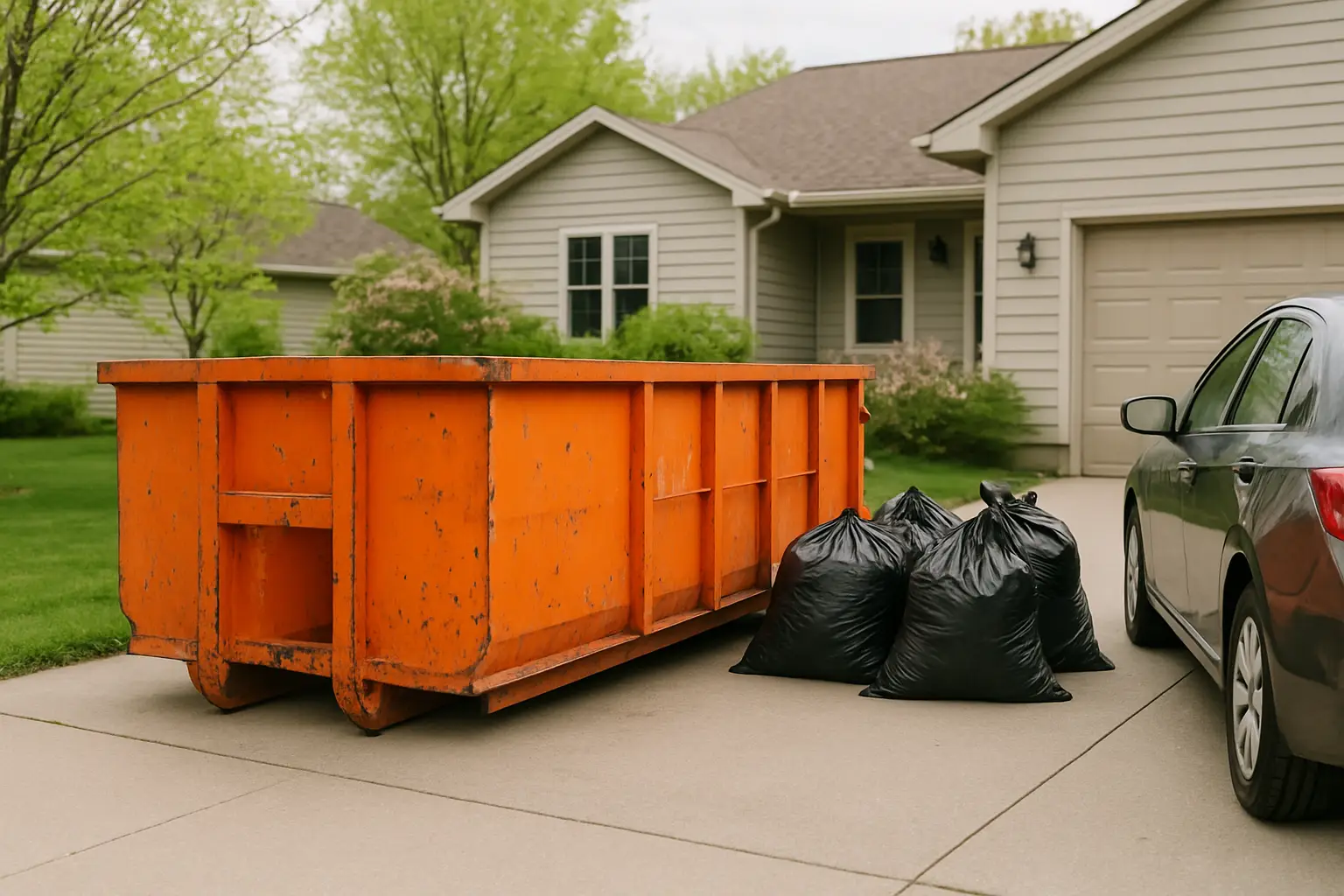
Plan the Lakeside placement before the work starts
Harvey Dumpster Rental can review your Lakeside access, material, and preferred container size 24/7, Monday to Sunday. Have the address, placement surface, project type, and any tight turns or overhead obstacles ready for the phone call.
Click Here to Call(319) 410-9634Nearby service area
Lakeside delivery starts from Storm Lake
Harvey Dumpster Rental dispatches from Storm Lake for Lakeside dumpster work and plans each delivery around the exact property, material, and approach. The same care applies near the lake, residential streets, and local business areas, where access can change from one address to the next. Share the street, placement surface, and project type so the route and container plan are based on the actual site.